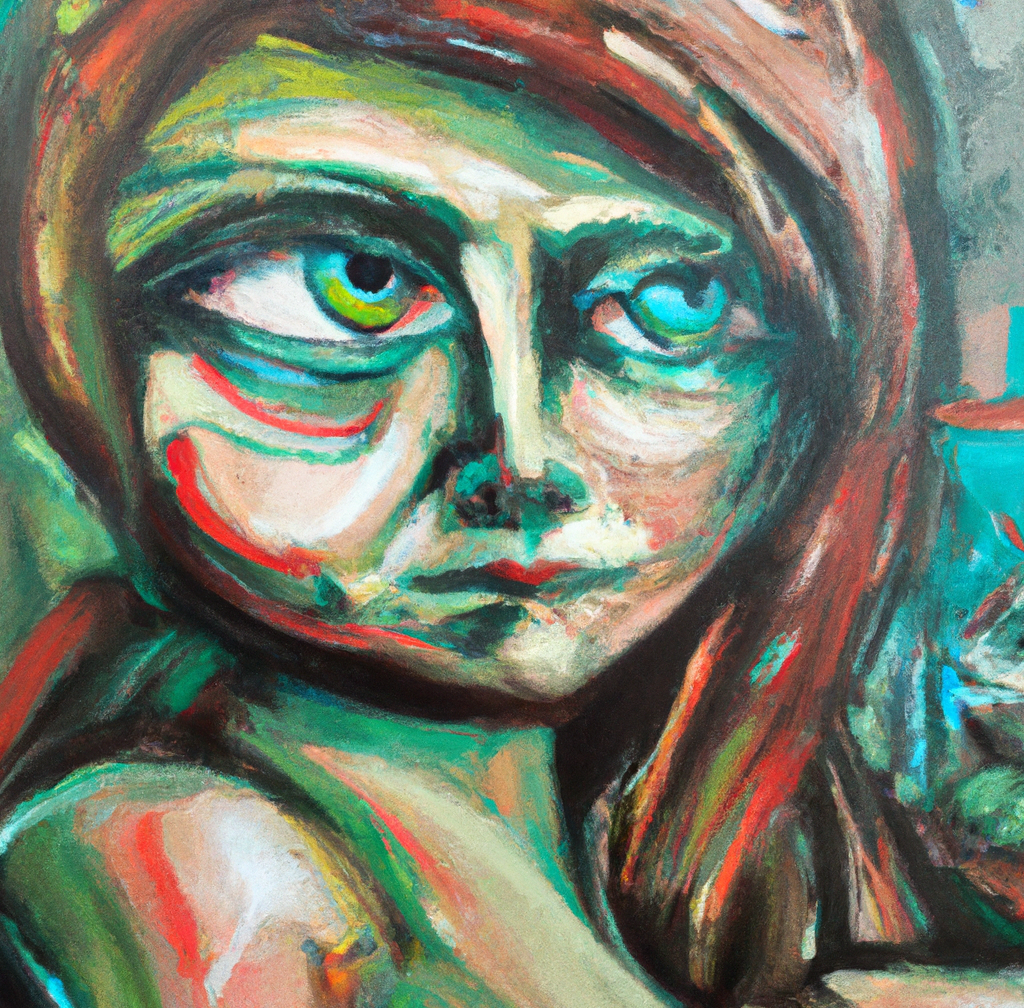
I believed in our love in spite of everything. That’s been my greatest faith, really. Something I’ve always been willing to die believing in. My faith in you was the greatest belief I ever held.
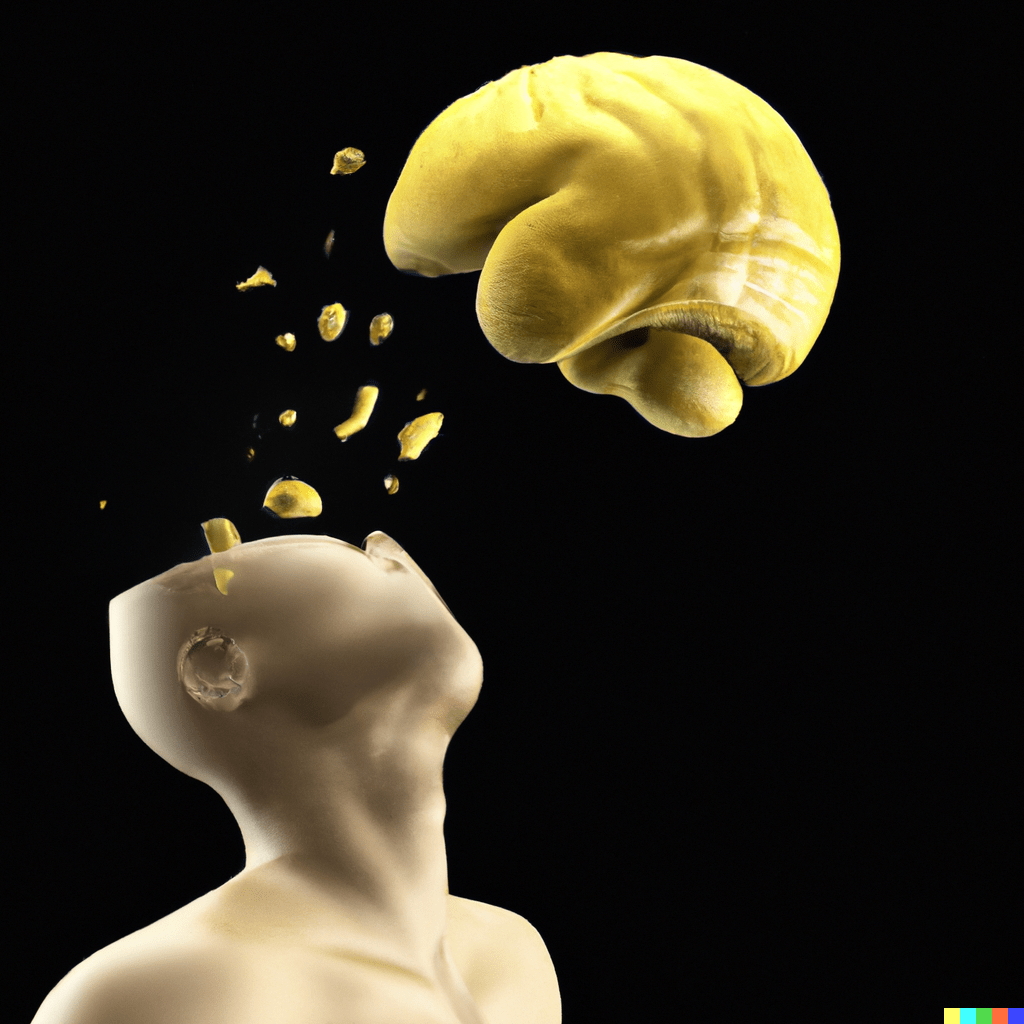
But I’m broken now. Loving you has left me with a series of fragmented thoughts and emotional reflections that play like private movies in my head.
Hating you is the only thing that gives me structure and clarity. How are you so comfortable treating me this way?
If I bring out the worst in you, it’s because it was already there, and you haven’t learned how to control it. The ease and brevity with which you become your worst self is reflection of how closely the worst of you lingers below the surface.
The Dichotomy of Love and Hate
I’ve always been willing to jump off a damn building for some shit. That’s why I hate myself.
Every day I pray for God or something else to take me away from here.
The intensity of loving someone who brings you both great joy and deep pain a great feat. Neither direction, whether love or hate, is really important for these types, as they’re more in love with how unpredictable they can be and the power that affords them in your relationship.
Even when you try to get out and remove yourself from being mentally present, this love/hate feeling makes it hard to disentangle our feelings.
Reflections on Identity and Pain
No matter where Black men and women are throughout the world, a certain tension belies our relationships. It’s a tension that compounds the already difficult effects of race and gender on the way we perceive other Black people. Sometimes, especially if they’re racially Black but culturally different, we often perceive other Black people as lesser reflections of ourselves.
Identity and Comparison
Having a healthy self-concept instills you with passion and commitment that aligns you to your true self. It gives you a sense of purpose.
For many Black women, our self-concept is one of either fear or aspiration, inadequacy or autonomy, in relation to our families and communities. These feelings can preoccupy us until they become our reality, and we begin to behave more in line with whatever habits we adopt as a result. If they’re good habits, things are more likely to work out for you. But we all have personal struggles.
For many of us, how safely we feel we fit into the world is a major one.
The Strength of Belief
I believed in our love between Black women and Black men. It was the only real faith I’ve ever had.
To believe in something so deeply, despite all the challenges and contradictions speaks volumes to the power of love, I think, as a transformative and defining force. When you compare the strength of your belief to the strength of your pain, you begin to question reality, and how things are changing with this person. How many of us have ended up in relationships where we later realized, long after the relationship was over, that’d we don’t remember much of it at all? Yet at the time that we lived it, nothing felt out of place.
The Fragmentation of Thought
Loving them has left you with a fractured sense of self and a whirlwind of emotions. Especially if the reality of your relationship still aligns with the vision you’ve idealized. These new thought fragments — pieces and moments of joy and pain, and of shared experiences — do not always fit neatly together. Many of your memories may not feel seamless, and there will always be questions in your mind about whether any of your beliefs about them are actually correct.
In fact, sometimes hating them (and yourself) can provide a singular, focused emotion on which to center yourself when you’re caught off-guard. You’re just like any other person. Whenever anyone hates, they do so to cope.
The Path to Reconciliation
I can’t tell you when the love/hate started, when these became the only two things I see when I look at you every day. The only thing I know is that I’m trying to coexist with zero friction.
But I know that’s unreasonable. Nothing with you is ever fully harmonious.
Having believed you for so long, only for you to be the worst you’ve ever been, is forcing me to confront what’s wrong with both of us.
I hope to one day understand where you’re coming from. But it’ll be a process, a journey that requires much introspection and time.
Our belief shapes our experiences and perceptions. Belief in love can be a powerful, transformative force that drives people to endure pain and struggle. However, when this belief is shattered the resulting pain is often profound; with it you experience a loss of hope. Finding peace sometimes means coexisting with unresolved pain.
Future Thoughts
Loving and Hating Yourself
- This duality can be paralyzing, trapping you in a cycle of self-reflection and self-doubt.
- The process of learning to love yourself while battling the intense self-hatred that comes from perceived failures or shortcomings is deeply painful but also transformative.
- You will either embrace or fight your darkest parts. Even if you win the battle, you’re going to emerge deeply scarred.
Identity and Comparison
- We measure ourselves against others, particularly those who share similar backgrounds or experiences.
- For Black men and women, this is compounded by societal pressures and expectations that can make it feel as though our identity is constantly under scrutiny.
- The tension between who we are and who we aspire to be, or between your own identity and the identity imposed upon you by someone else, can create a dissonance that is difficult to reconcile.
Belief
- Belief, especially in love, is a powerful force that can drive us to do things we never thought possible.
- It can be both a source of strength and a point of vulnerability. When you believe in something or someone so deeply, it shapes your reality, coloring your perceptions and influencing your decisions.
- The pain of losing something you believed in so strongly is often more intense than the pain of the actual loss itself. This is because belief is tied to hope, and when belief is lost, so too is hope.
Coping and Acceptance
- Don’t be ashamed of your pain.
- Coping with pain can be incredibly difficult, especially when the pain is tied to someone you love or to your own sense of self.
- Acceptance, however, is the ultimate goal.
- Acceptance doesn’t mean that the pain goes away, but rather that you learn to coexist with it.
- You learn to live with the reality of the situation, to stop fighting against what you cannot change, and to find peace in the midst of your struggles.
- But some pain you should never accept.




















 Black Women Divesting
Leave a comment