
I know what you look like.
You like your skin, now. But before, you didn’t used to like yourself so much.
Reaching a point where you’re proud of your shade of brown was a difficult feat. You’re proud of what your blackness means to you. But you also resent what it subjects you to, mostly at the hands of your own.
White men don’t give a damn about making sure Black women adhere to Eurocentric beauty standards the way Black men do.
The only boys who ever ridiculed you for your skin color probably looked like you. Most of the men who think it makes you inferior also look like you.
As a Black woman, you are much more likely to be killed by a Black man. And in the worst and most corrupt black countries, it’s not usual to see Black women being abused and murdered in the streets, or for profoundly trivial reasons.
Source: @BBC News
Conforming to Black Culture
Eurocentric beauty ideals pervade black culture. If you’re the right shade of dark, you won’t even attract black men.
Many Black men are colorist race fetishists who are groomed to be so by Black music and media from a very early age. If you interpret their lack of attraction to you not as a flaw, but as an advantage — are you anti-black by going where you’re loved?
Black women who live alongside this can feel nagged by a pervasive sense of invisibility unless we conform to these standards—whether by hiding our natural hair, lightening our skin, or altering our facial features. Over time, physically conforming to secondhand ideals has a deleterious effect on Black women’s confidence. And many men in Black cultures prefer it this way.
We invest considerable time, money, and energy into altering our natural appearances to achieve these ideals because other Black people make us feel like we look better in our altered states.
Building Supportive Communities
Divesting from Black men and Black cultures that impose unreasonable expectations on us with no practical outcome for adhering to them is the only way we can learn to protect our worth.
If we can confidently meet our own expectations, we can create our own representation apart from what Black culture and larger society deem suitable for us. Carrying yourself in a positive way and doing productive things for other people radiates a confidence that will elevate your profile.
Final Thoughts
If you feel isolated or guilty for your rejection of mainstream Black culture, find like-minded people to associate with, or people who don’t share any of our racial baggage. Naturally, they’ll have different perspectives that can help you stay grounded and feel connected to the rest of the world. Whatever you do, maintain a sense of belonging.
Don’t allow other Black people to subjugate you.
And learn from Black men whose standards diverge from every positive ideal.




















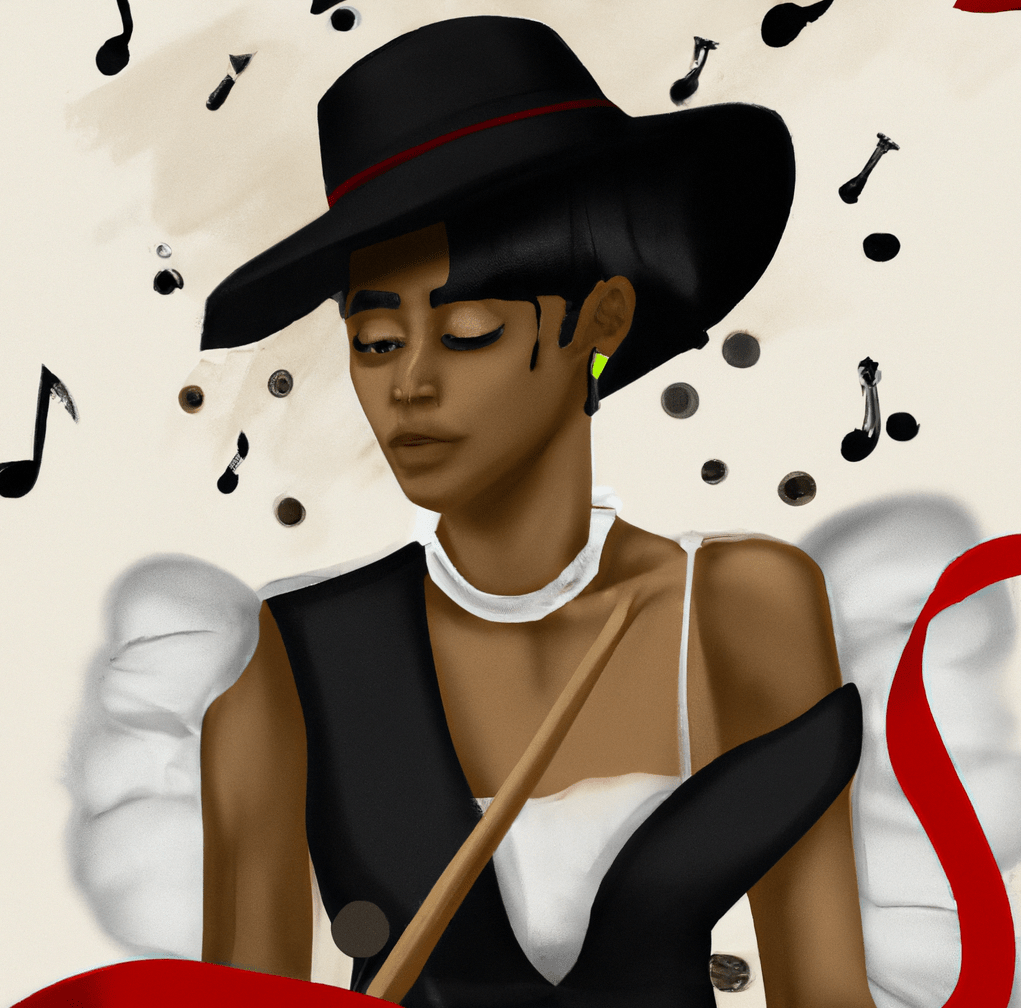

 Black Women Divesting
Leave a comment